זה בסדר, אבל זה לא בסדר
חוסן, זיכרון ואחריות במרפאת ילדים. לזכרו של ימנו בנימין זלקה ז״ל.
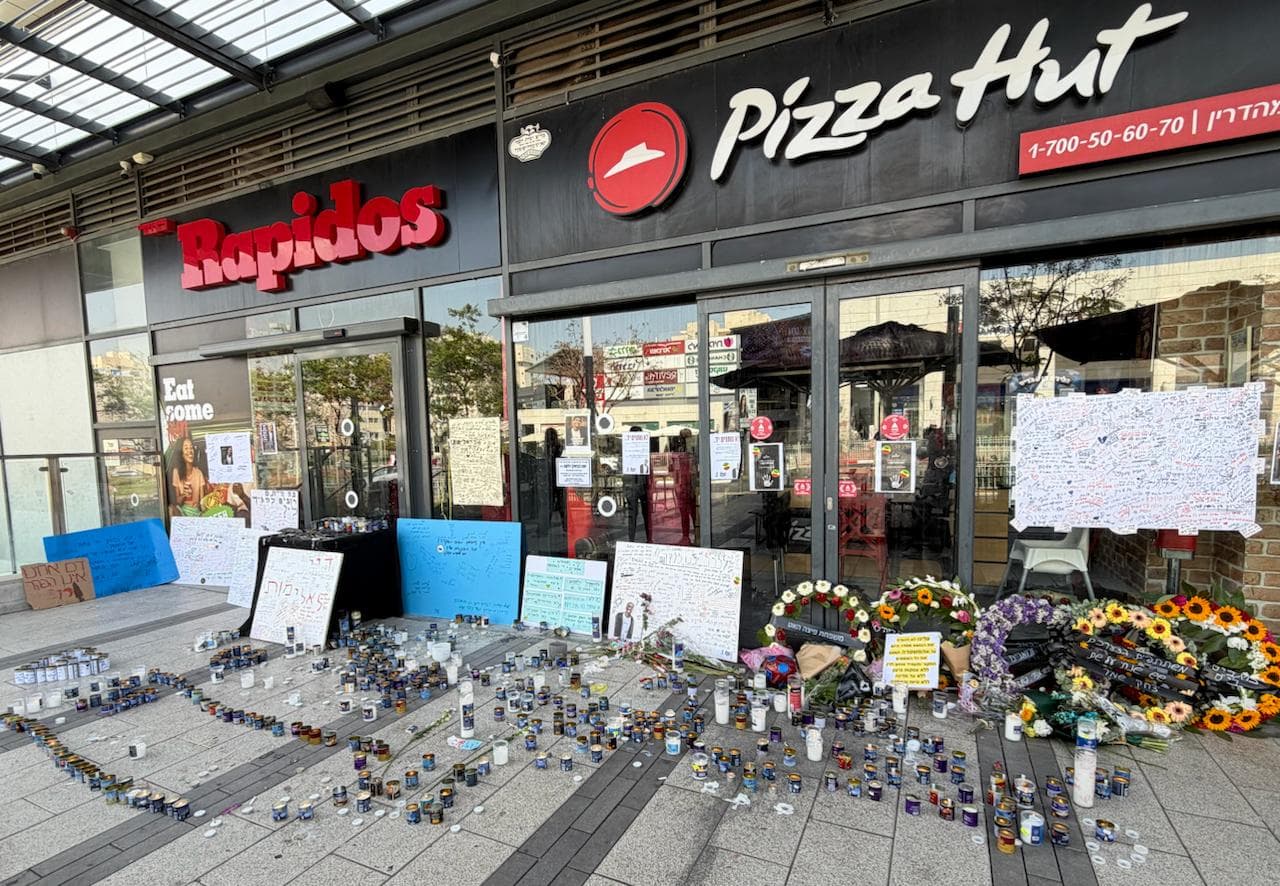
הדבר הראשון שראיתי כשהגעתי למרפאה שלי בשבוע שעבר היו הנרות. הם סודרו בצבר מסודר על המדרכה מחוץ לסניף פיצה האט מעבר לכביש. פתקים בכתב־יד הודבקו לקיר, פרחים הונחו על האדמה. האנדרטה המאולתרת צצה במהלך הלילה כדי לכבד את ימנו בנימין זלקה, מנהל משמרת בן 21 שנדקר בידי בני־נוער לאחר שביקש מהם לא לרסס קצף במסעדה ביום העצמאות. מחלון המרפאה יכולתי לראות אנשים נעצרים, מניחים נר ולוחשים תפילה. בחדר הבדיקות המשכתי להציץ מעבר לכביש, קרועה בין הקצב היומיומי של דלקות אוזניים וחום לבין הטרגדיה שהתרחשה כמה מטרים משם.
האמת היא שכל רופא ילדים נמצא באזור גבול מוזר: עבודתנו היא גם אינטימית וגם חולפת. אנו פוגשים מאות ילדים בכל חודש — פעוטות עם נזלת, תלמידי יסודי עם כאבי גרון, בני־נוער שעונים לשאלותינו במשיכת כתף. אנחנו בודקים ריאות וגרונות, מעדכנים חיסונים ומרגיעים הורים מודאגים. ובכל זאת, הסיפורים העמוקים יותר לעתים קרובות נותרים נסתרים. מומלץ לבצע בדיקות סקר לבריאות הנפש בגיל 6, 12, 24 ו‑36 חודשים ובהמשך מדי שנה החל מגיל שלוש, ומחקרים מראים שסקר אוניברסלי שמוצג כחסוי וממוקד במטופל מגביר את ההיענות. למרות זאת, ההיענות אינה עקבית, ותשובות חיוביות אינן תמיד מובילות להמשך טיפול. בביקור של עשר דקות, איך ניצור מקום לבדידותו של נער, לחוסר השינה של אמא או לחרדה השקטה של ילד? האם אנחנו בכלל מסוגלים לזהות את הכעס הבלתי־נראה שהתפרץ בסופו של דבר מעבר לכביש?
חוסן לנוכח מצוקה
ארבע השנים האחרונות לימדו את ילדינו להיות חזקים. מגפת הקורונה השאירה אותם מחוץ למסגרות חודשים ארוכים. אזעקות שלחו משפחות למקלטים וחדרי מדרגות. ההתקפות האכזריות ב־7 באוקטובר 2023 גבו קורבנות חפים מפשע — אזרחים נרצחו, חיילים נפלו, ומשפחות רבות נותרו שכולות. קהילות נעקרו מבתיהן, וכמעט אחד מכל שלושה ילדים בישראל כבר הוגדר כ״בסיכון״ לפני המלחמה; העימות העמיק את המשבר.
מחקרים מגלים כי 41.9% מבני־הנוער עומדים בסף להפרעת דחק פוסט‑טראומטית (PTSD). שיעור הדיכאון בקרב מבוגרים עלה מ‑25.5% בשנת 2023 ל‑33.9% בשנת 2024, ושיעור הסטרס מ‑58.2% ל‑67.9%. אנחנו מהללים את החוסן — ״זה בסדר״, ״ביחד ננצח״ — אך לעיתים רחוקות מכירים במחיר. לחץ נצבר בסיר אטום עד שהוא מוצא דרך החוצה. כשזה קורה, האם אנחנו באמת מופתעים שהכעס הופך לשפה?
פוליטיקה, אחדות והמערכה הקרובה
בחירות נוספות מתקרבות ומאיימות להגביר את הקרע. בארצות הברית סקרים מראים שכ‑40% מהמבוגרים חווים תגובות לחץ משמעותיות בגלל פוליטיקה; 17% מדווחים על אובדן שינה. ישראל אינה חסינה להשפעה השוחקת של מריבות פוליטיות בלתי־פוסקות. פידים שמונעים בידי אלגוריתמים מעצימים את המתח: פלטפורמות המדיה החברתית מחליטות מה נראה על בסיס פופולריות ומעורבות, לא על בסיס אמת. שימוש כבד במדיה החברתית נקשר לעלייה בסיכונים לדיכאון, חרדה ובדידות, ופוסטים שמעוררים זעם או פחד מתפשטים רחוק ומהר יותר ממידע ניטרלי. כפי שמזכיר לנו החוקר ג׳וזף יון, פרוסת המציאות שהאלגוריתם מציג לנו היא צרה — יש בעולם יותר תקווה ושלום ממה שמופיע בפיד. ובכל זאת, שדה הקרב הראה לנו פנים אחרות: מילואימניקים מכל הקשת נלחמו כתף אל כתף, שכנים פתחו את בתיהם למפונים וקהילות ארגנו ארוחות. הוכחנו שאנו טובים יותר מהפוליטיקאים שלנו. האתגר של ששת החודשים הקרובים יהיה לשמור על הברית הזו של סולידריות גם כשהרטוריקה מתלהטת. איך שנדבר סביב שולחן האוכל או במדיה החברתית יעצב את תחושת ה״נורמליות״ של ילדינו. האם ניתן לכעס ולציניות להשתלט, או שנדגים ויכוח מכבד ואמפתיה?
מחוות קטנות ומשאות בלתי־נראים
לפני כמה ימים הזמנתי ארוחת צהריים במסעדת מזון מהיר. הצעירה שעבדה מאחורי הדלפק כמעט שלא הרימה מבט; טון הדיבור שלה היה קצר ותנועותיה מהירות. האינסטינקט הראשון שלי היה להיעלב ולהעיר על ה״חוסר נחמדות״ שלה. ואז עצרתי. מה אם היא בילתה את הלילה בדאגה לאח שגויס למילואים? מה אם היא לומדת למבחנים אחרי המשמרת או מתמרנת בין שתי עבודות כדי לגמור את החודש? חייכתי במקום זאת, שאלתי לשלומה והחמאתי לעגילים שלה. פניה התרככו; היא הודתה לי. זה היה מפגש קטן, אך הוא הזכיר לי עד כמה אנחנו מהירים לשפוט וכמה לעיתים נדירות אנחנו יודעים את כל הסיפור. אנשי מקצוע העובדים עם נוער בסיכון מדגישים שרוטינה, מבנה וקשר אנושי הם גורמים מגינים מרכזיים. אולי קריאה בשם של ילד, הערה על תספורת חדשה או פשוט השאלה ״איך אתה ישן?״ יכולה לקטוע מעגל של כעס וחוסר אמון.
זיכרון והתחייבות
בזמן שאני כותב את זה, עובדי העירייה מפרקים את האנדרטה. כשאני מביט החוצה עכשיו, הנרות נעלמו; רק מדרכה ריקה נותרת. אבל פיצה האט התחייבה להמשיך לשלם את משכורתו של ימנו זלקה למשפחתו ״כל עוד היא קיימת״ ולהקים קרן סיוע. המחווה שלהם מכירה בכך שחוסן אינו מספיק; הוא דורש תמיכה מוחשית. אם תאגיד יכול לקבל על עצמו התחייבות כזו, מה איתנו? איננו יכולים להבטיח למנוע את הטרגדיה הבאה — ודאות כזו תהיה יהירות — אך אנו יכולים להחליט איזה סוג מקצוענים ואזרחים אנו רוצים להיות. אנו יכולים להחליט להקשיב לרעידות שמתחת לשיעולים ולהצטננות, לשאול עוד כמה שאלות פתוחות, להתנגד לדחף להפשיט אנושיות ממי שחושב אחרת מאיתנו ולהציע חום במקום שבו אנו מוצאים קור.
כאשר אני נועל את המרפאה ויוצא החוצה, ריח חומר החיטוי עדיין על הידיים, אני מציץ אל המקום שבו עמדו הנרות. המדרכה נקייה, החנות פתוחה שוב. ילדים רוכבים על אופניים, הורים בודקים את הטלפונים, החיים ממשיכים לזרום. בארץ הזו למדנו לטאטא את השברים ולהמשיך הלאה. אנחנו אומרים לילדים שלנו, ולעצמנו, ״זה בסדר, ביחד ננצח״. ובמובנים רבים זה נכון. אבל יש אמת נוספת שקשה יותר לומר: השנים האחרונות סדקו משהו בתוכנו. אם לא נקרא לו בשם, אנחנו מסתכנים בכך שהכאב שלנו יתפרץ בדרכים שאיננו יכולים לחזות.
אולי הלקח מהנרות ההם הוא לא רק להתאבל אלא גם לשים לב. לראות את הניצוץ מאחורי עיניו של נער, לעצור את הגלילה מספיק זמן כדי להביט סביב בחדר ההמתנה, להתייחס למלצרית גסת רוח בנדיבות שאנו מקווים לקבל בעצמנו. חוסן הוא מרתון, לא מסיכה. ״זה בסדר, אבל זה לא בסדר״ הוא הפרדוקס שאיתו עלינו לחיות. להחזיק בשתי האמיתות בו־זמנית איננו סתירה: זהו מעשה של אומץ, ואולי הדרך היחידה להאיר את הנתיב קדימה.